Skip to content
Independent editorial — no affiliate links, no prices, no sponsored placements
SmartHomeVerdict

Best Robot Vacuums of 2026 — Compared & Explained

Five current models, compared on the specifications that decide whether a robot gets used: body height, threshold clearance, brush design and how much of the job the dock takes over.

Robot vacuums are sold on suction numbers that correlate poorly with real cleaning, and bought on features that decide whether the thing runs in month six. This comparison covers five models we consider genuinely distinct from one another, and explains which constraints each one is engineered around.

No model here is claimed to suit everyone. Where a manufacturer does not publish a figure, the table says so rather than filling the gap with an estimate.

Last reviewed September 20265 models comparedNo prices · no purchase links
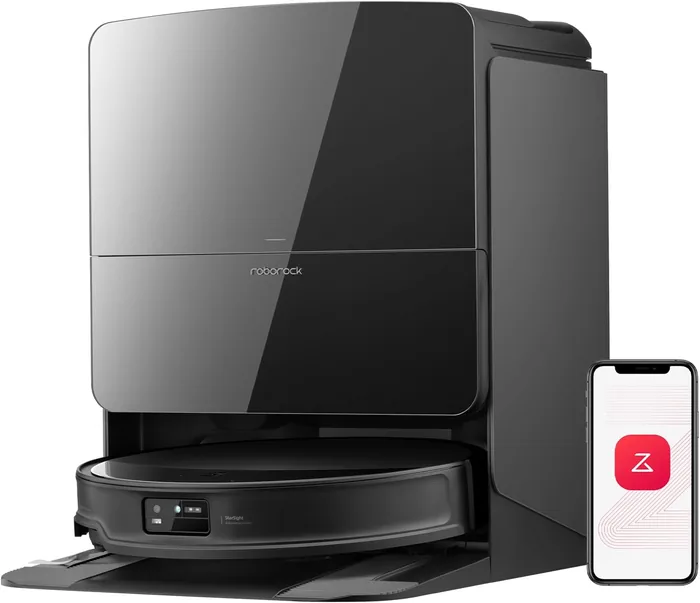
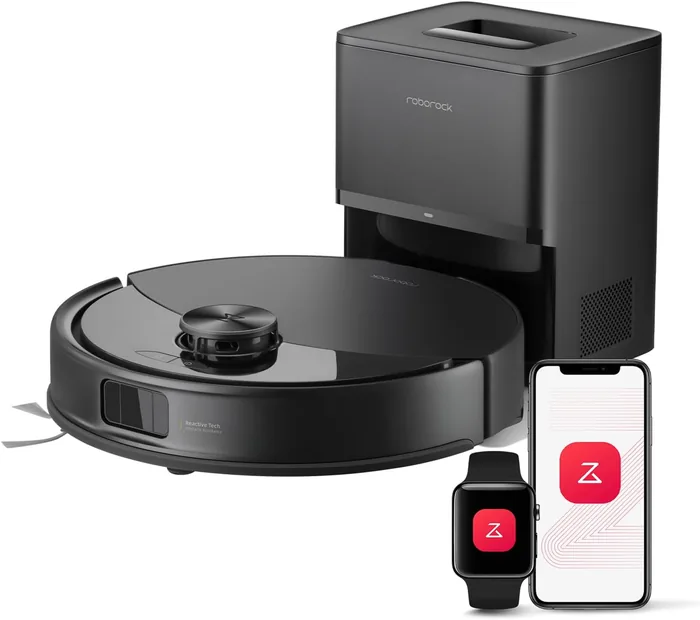
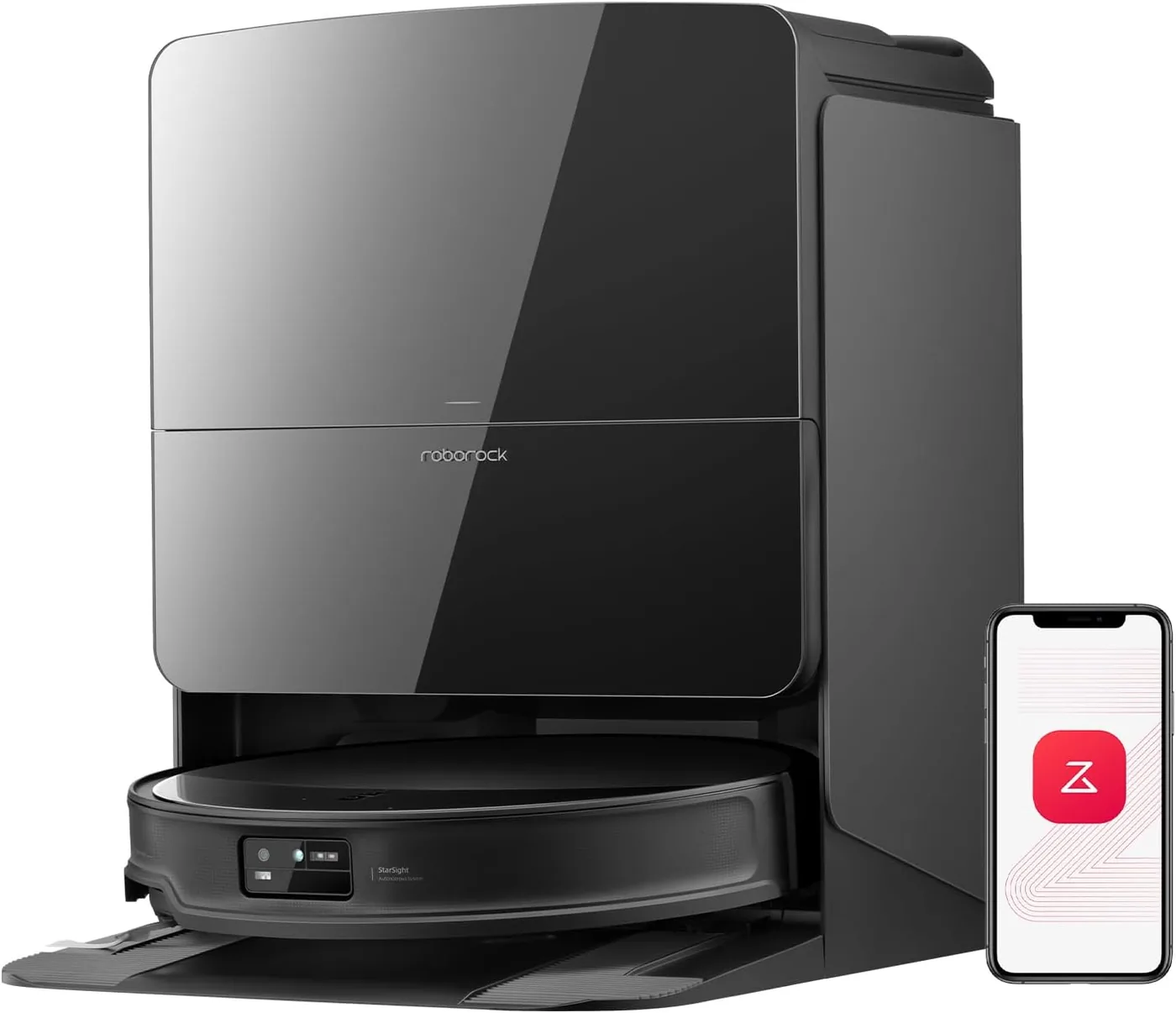
Roborock Saros 10R robot vacuum
Roborock Saros 10R — top of this rankingManufacturer’s listing photograph, shown unaltered to identify this model. Property of its owner; no affiliation implied. Image credits
Which one is right for you?Match your situation, then read the full review below
Quick recommendations by household situation for robot vacuums
If this is youStart withWhy
Most homes — no single dominant constraintThe only model here that combines a 3.14-inch body, a chassis that lifts over thresholds and a brush designed against tangling.
Mopping matters mostThe self-rinsing roller mop keeps feeding clean water instead of redistributing dirt across the floor.
Tall thresholds or steps between roomsPublishes 3.47-inch obstacle crossing and the highest suction here — built for physically awkward floors.
Small apartments and long hair
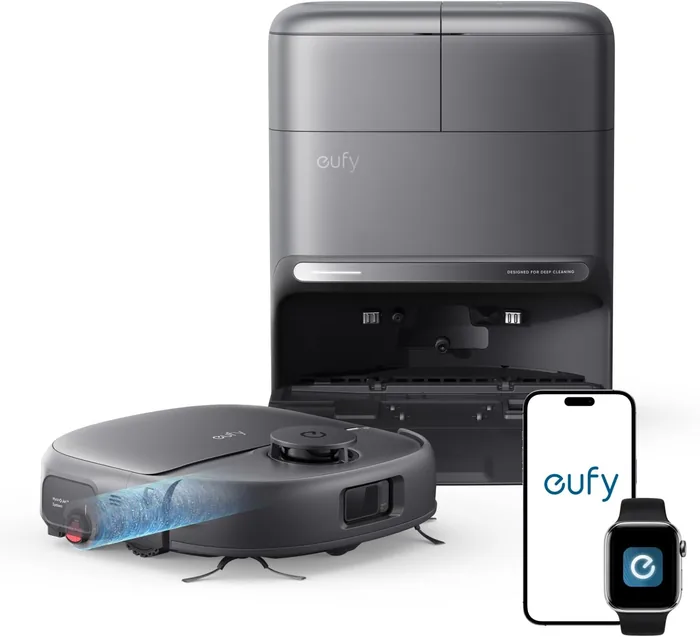
eufy C28 robot vacuum
eufy C28
8.7 / 10
75 days between bin changes, a 30 cm hair rating, and no cameras anywhere in the navigation stack.
First robot vacuum on a budget70-day self-emptying at an entry-level price — the automation that keeps a cheap robot in use.

Side-by-side comparison

Specifications as published by each manufacturer, cross-checked September 2026.

Robot Vacuums compared on editorial score, published specifications and features
SpecRoborock Saros 10R
Editorial score 9.2 out of 10
Roborock Qrevo Curv 2 Flow
Editorial score 9.0 out of 10
Dreame X60 Max Ultra
Editorial score 8.9 out of 10
eufy C28
Editorial score 8.7 out of 10
Roborock Q10 S5+
Editorial score 8.2 out of 10
Our score9.29.08.98.78.2
Best forMost homesMopping-first homesAwkward floorsApartments, long hairBudget first buy
Published suction22,000 Pa20,000 Pa35,000 Pa15,000 Pa10,000 Pa
NavigationStarSight 2.0 — 3D ToF, no raised turretReactive AI, 200+ objects, day and nightDual AI cameras with active illuminationLiDAR only — no camerasLiDAR with obstacle avoidance
Brush / tangleZero-Tangle systemDual Zero-Tangle (main + side)DuoBrush with sealed pressure plateDuoSpiral — rated to 30 cm hairJawScrapers comb + anti-tangle side brush
MoppingVibrating plate, hot-water dock washSpiraFlow self-rinsing rollerDual scrub pads, 15 N, 230 RPM, 104 °FHydroJet roller, self-rinsing 9×/secVibraRise 2.0 sonic, 3,000/min
Carpet behaviourAdaptiLift chassis keeps brush in contactMop lifts up to 15 mm, auto suction boostSealed brush chamber for pile pickupSuction increase with mop liftUltrasonic detection, auto mop lift
Threshold / height3.14 in body; lifting chassisNot published3.13 in body; 3.47 in obstacle crossingNot publishedNot published
Hands-free cycleAuto-empty and hot-water pad washAuto-empty, wash and dryAll-in-one station with refill~75 days (3 L bag), wash + 50 °C dryUp to 70 days (2.7 L bag)
Published runtimeNot publishedNot publishedNot publishedNot publishedNot published
Full reviewRead the full reviewRead the full reviewRead the full reviewRead the full reviewRead the full review

“Not published” means the manufacturer does not disclose that figure. We do not estimate missing specifications, and we do not publish prices — they change too quickly to keep honest. Where a measured result comes from third-party testing rather than a manufacturer claim, the row says so.

Every robot vacuum reviewed

Ordered by our editorial score, highest first. Each review covers the same ground: an overview, the published key specifications, what works, where it falls short, who it is for, and who should buy something else instead.

#1 · Robot VacuumsBest overallBest for: Mixed flooring, pets and awkward thresholds
Roborock Saros 10R robot vacuum
Manufacturer’s listing photograph, shown unaltered to identify this model. Property of its owner; no affiliation implied. Image credits

Roborock Saros 10R

9.2 / 10Editorial score 9.2 out of 10, our editorial rubric

The most complete all-rounder of 2026: a 3.14-inch body that reaches under low furniture, a lifting chassis that clears door tracks, and a brush system built to shed hair instead of collecting it.

  • 22,000 Pa HyperForce suction in a 3.14-inch body
  • AdaptiLift chassis raises the body to cross thresholds
  • FlexiArm Riser side brush and mop extend to reach corners

Overview

The Saros 10R is the model we point most people to when no single constraint dominates the home. It competes on the two things that actually decide whether a robot vacuum gets used: whether it can reach the rooms you have, and whether you have to cut hair out of the brush every week.

Two engineered details carry the score. The first is the 3.14-inch body. Most robots sit close to 4.1 inches, which is precisely the height of a low sofa frame — the Saros slips underneath instead of orbiting it. The second is the AdaptiLift chassis, which raises the main body on independently adjustable left and right wheels plus an omnidirectional wheel, so it climbs over door tracks and uneven transitions rather than stalling on them. Roborock pairs that with StarSight Autonomous System 2.0, a 3D ToF sensing stack that builds the map without the raised camera turret other flagship robots use, which is part of how the body stays so thin.

The compromise is price. This is flagship territory, and it is the weakest value line in our rubric for exactly that reason — you are paying for engineering that a mid-tier robot does not attempt. If your furniture is not low and your floors are flat, that premium buys you very little.

Key specs

Published suction22,000 Pa (HyperForce)
NavigationStarSight Autonomous System 2.0 — 3D ToF sensing, no raised camera turret
ChassisAdaptiLift — left/right wheels plus an omnidirectional wheel raise the body over thresholds
Edge cleaningFlexiArm Riser side brush and mop extend outward at walls and corners
Brush / tangle handlingZero-Tangle system (manufacturer-designated)
MoppingVibrating mop plate with dock-based hot-water pad washing
Dock automationAuto-empty, self-washing mop pads, hot-air drying; water refill depending on dock variant
Height3.14 in
Published runtimeNot published
Noise (published)Not published
WarrantyNot published on the listing

What works

  • A 3.14-inch body is the real differentiator — it cleans under furniture that stops almost every rival
  • AdaptiLift crosses door tracks and uneven transitions instead of stranding itself
  • 3D ToF sensing maps in the dark without a protruding camera turret
  • The extending side brush and mop genuinely reach baseboards rather than getting close to them
  • Zero-Tangle brush design targets the single biggest reason people abandon robot vacuums

Where it falls short

  • Flagship price — the most expensive model in this comparison
  • Cordless runtime is not published, so large open-plan homes cannot plan coverage from the spec sheet
  • Warranty length is not stated on the listing we checked

Who it's for

  • Homes with low sofas or bed frames, where body height decides whether a room gets cleaned at all
  • Households with long hair or shedding pets
  • Homes with tall sliding-door tracks, marble saddles or a step down into a sunken room

Who should skip it

  • Anyone whose furniture is already high-clearance — you are paying a large premium for a feature you will never use
  • Homes that are almost entirely deep-pile carpet, where agitation depth limits any robot
  • Buyers who want the published runtime before committing, since Roborock does not list one for this model
How this score was built (9.2 / 10)
Cleaning performance9.322,000 Pa HyperForce with 3.14-inch chassis that keeps the brush in contact on rug pile.
Ease & maintenance9.2Zero-Tangle system plus a dock that washes mop pads in hot water.
Feature depth9.4StarSight 2.0 sensing, AdaptiLift chassis and a rising FlexiArm side brush and mop.
Value for the tier8.4Flagship pricing at the top of this comparison — you are paying for the dock automation, not for more suction.
Support & reliability8.6Two-year warranty and a very large owner base; dock consumables are an ongoing cost.

Scores are produced from published specifications, independent third-party test results where they exist, and documented owner-reported reliability. We do not run our own laboratory tests — see How We Test.

Compare with alternatives

ModelScoreBest forReview
Roborock Qrevo Curv 2 Flow9.0Homes where mopping is the main jobRead →
Dreame X60 Max Ultra8.9Awkward floors, thresholds and obstacle coursesRead →
eufy C288.7Smaller homes, long hair and privacy-conscious buyersRead →

Sources & verification

  • Manufacturer-published specification and feature copy on the Roborock Saros 10R US listing, September 2026
  • Roborock support documentation cross-checked against the listing copy, September 2026
  • Amazon US listing for this ASIN, read directly, September 2026

Specifications last checked: September 2026. Our recommendations are based on independent research and are not sponsored.
#2 · Robot VacuumsBest moppingBest for: Homes where mopping is the main job
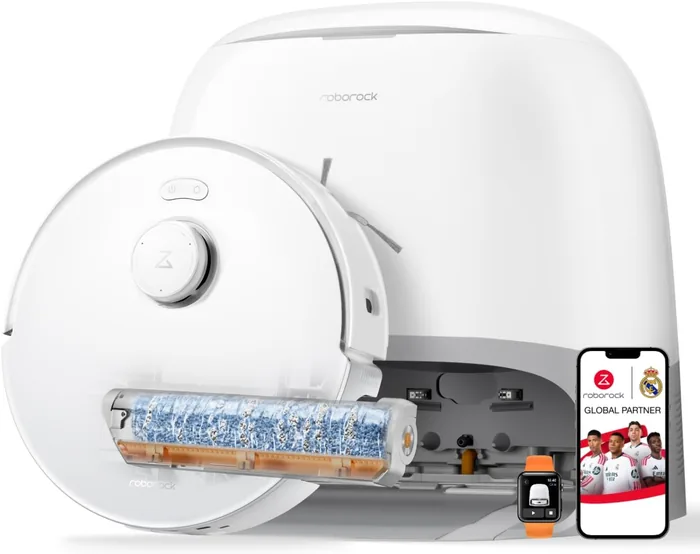
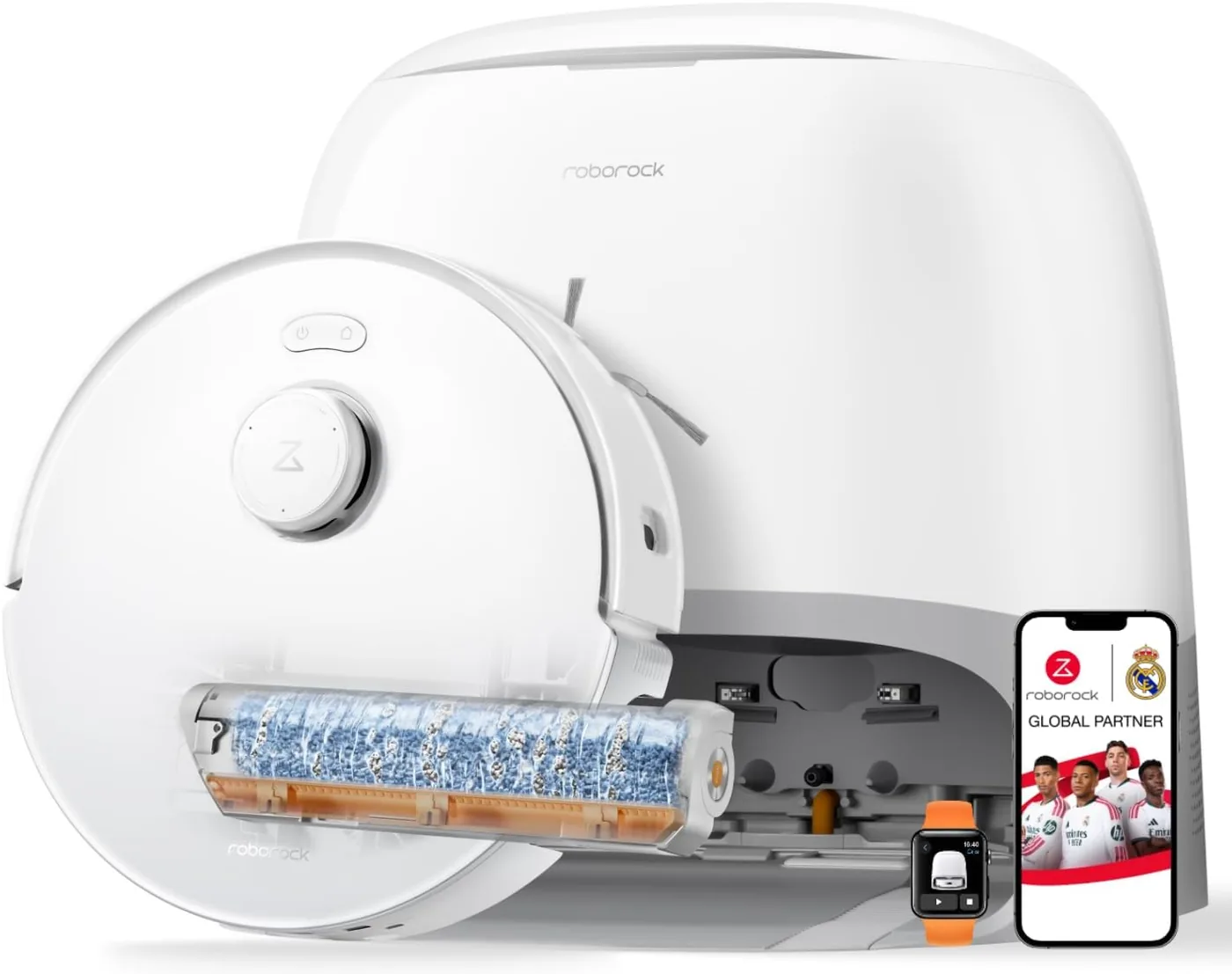
Roborock Qrevo Curv 2 Flow robot vacuum
Manufacturer’s listing photograph, shown unaltered to identify this model. Property of its owner; no affiliation implied. Image credits

Roborock Qrevo Curv 2 Flow

9.0 / 10Editorial score 9.0 out of 10, our editorial rubric

The model to choose when mopping is the point rather than an afterthought — the roller rinses itself with fresh water as it moves instead of smearing the same dirty pad around the floor.

  • SpiraFlow roller mop with eight hydration points
  • 20,000 Pa suction with dual zero-tangle brush system
  • Reactive AI recognises 200+ object types, day or night

Overview

Most robot mops work like a cloth: they pick up a little dirt, then redistribute the rest across the floor for the remainder of the run. The Qrevo Curv 2 Flow attacks that specific failure. Its SpiraFlow roller is fed by eight hydration points that keep feeding clean water to the roller as it turns, so the surface touching your floor is continuously refreshed rather than progressively dirtier.

Roborock surrounds that with a genuinely strong support package rather than a token one. Suction is rated at 20,000 Pa, the dual zero-tangle system pairs an anti-tangle side brush with the DuoDivide main brush, and the mop lifts up to 15 mm so a carpet run does not become a wet run. Reactive AI recognition covers more than 200 object types using structured light, and Roborock states it works at night as well as in daylight — which matters if you schedule cleaning while you are asleep. The DirTect strategy layer is the subtle one: the robot decides per pass whether the floor calls for a dry or a wet treatment instead of treating every room identically.

The trade-off is that the suction figure sits a tier below the flagship robots, and the roller mop is a consumable you will replace. If your home is carpet-dominant, you are paying for a mopping system you will rarely ask to do much.

Key specs

Published suction20,000 Pa
MoppingSpiraFlow real-time self-cleaning roller mop fed by eight hydration points
Brush / tangle handlingDual Zero-Tangle — anti-tangle side brush plus DuoDivide main brush
Carpet behaviourMop lifts up to 15 mm; dedicated carpet mode raises suction automatically
Obstacle avoidanceReactive AI recognition for 200+ object types, structured light, rated for day and night
Cleaning strategyAI DirTect chooses dry or wet passes per area
Dock automationAuto-empty, mop washing and drying, multifunction dock
HeightNot published
Published runtimeNot published
Noise (published)Not published

What works

  • The self-rinsing roller is a real mopping improvement, not a marketing rename of a cloth pad
  • Dual zero-tangle brushes cover both the main brush and the side brush failure modes
  • 15 mm mop lift plus automatic carpet mode handles mixed flooring without manual intervention
  • Reactive AI is rated to work in the dark, which suits overnight scheduling
  • Positioned below the flagship tier while keeping the same class of dock automation

Where it falls short

  • 20,000 Pa is strong but a tier below the 30,000 Pa-plus flagships
  • Roller mop and dock consumables are an ongoing cost
  • Height and runtime are not published, so low-clearance and large-floor buyers cannot plan from the sheet

Who it's for

  • Hard-floor homes where mopping happens most days, not occasionally
  • Mixed-floor homes that want the mop lifted automatically on carpet
  • Pet owners who want both the brush and the side brush working the tangle problem

Who should skip it

  • Carpet-dominant homes, where the roller mop is largely idle
  • Buyers who need a published runtime figure before committing
  • Anyone prioritising the thinnest possible body — Roborock does not publish a height for this model
How this score was built (9.0 / 10)
Cleaning performance8.920,000 Pa and a roller mop that rinses itself continuously rather than dragging dirty water.
Ease & maintenance9.3Self-cleaning roller plus dual zero-tangle brushes and dock-side pad washing.
Feature depth9.1Reactive AI over 200 object types, DirTect dry/wet strategy, 15 mm mop lift for carpet.
Value for the tier8.8Sits below the flagship tier while carrying the same generation of dock automation.
Support & reliability8.6Two-year warranty and mature service network; roller mop is a replaceable consumable.

Scores are produced from published specifications, independent third-party test results where they exist, and documented owner-reported reliability. We do not run our own laboratory tests — see How We Test.

Compare with alternatives

ModelScoreBest forReview
Roborock Saros 10R9.2Mixed flooring, pets and awkward thresholdsRead →
Dreame X60 Max Ultra8.9Awkward floors, thresholds and obstacle coursesRead →
eufy C288.7Smaller homes, long hair and privacy-conscious buyersRead →

Sources & verification

  • Manufacturer-published specification and feature copy on the Roborock Qrevo Curv 2 Flow US listing, September 2026
  • Roborock dock and mop system documentation cross-checked against listing copy, September 2026
  • Amazon US listing for this ASIN, read directly, September 2026

Specifications last checked: September 2026. Our recommendations are based on independent research and are not sponsored.
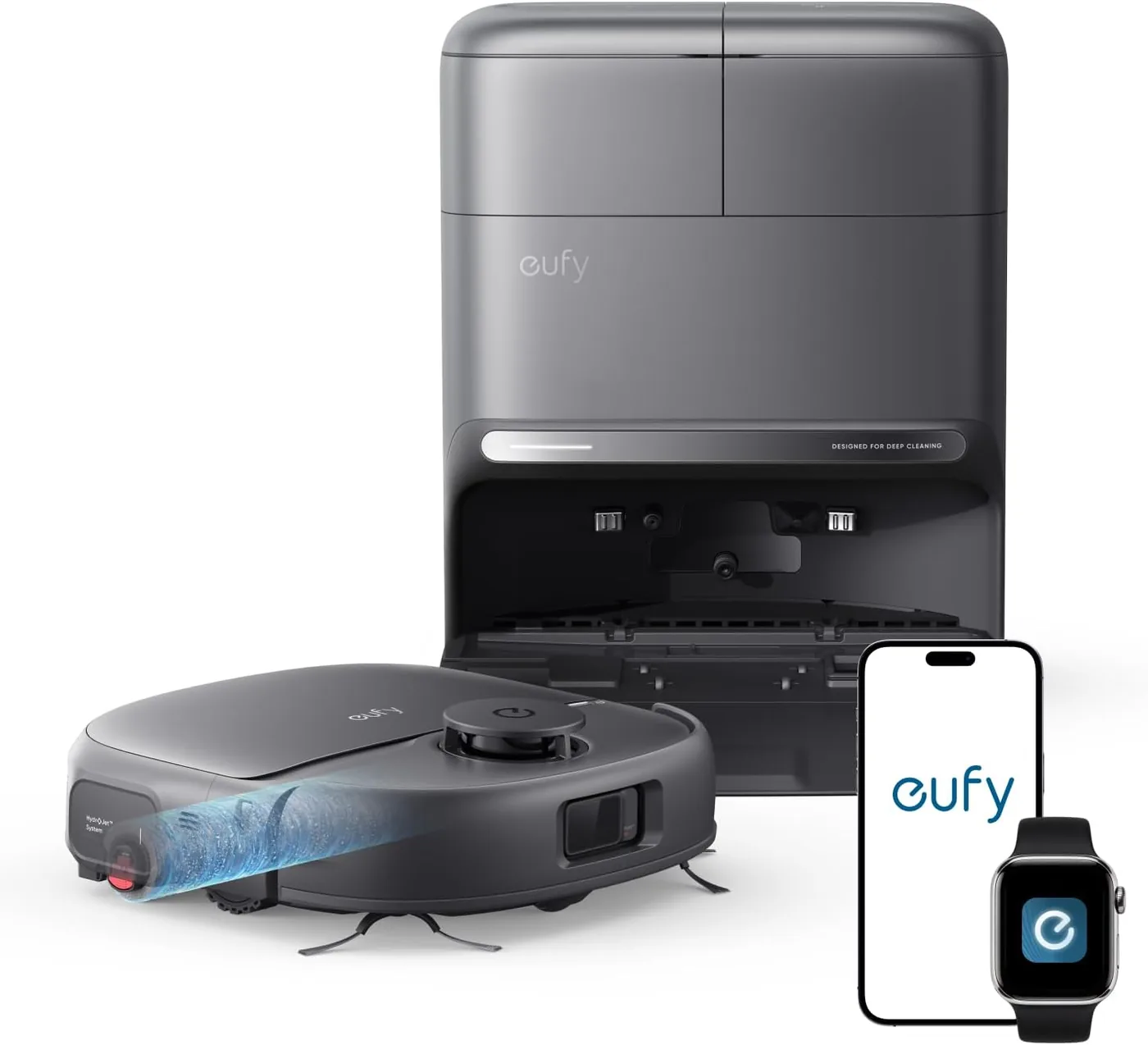
#3 · Robot VacuumsBest for tall thresholdsBest for: Awkward floors, thresholds and obstacle courses
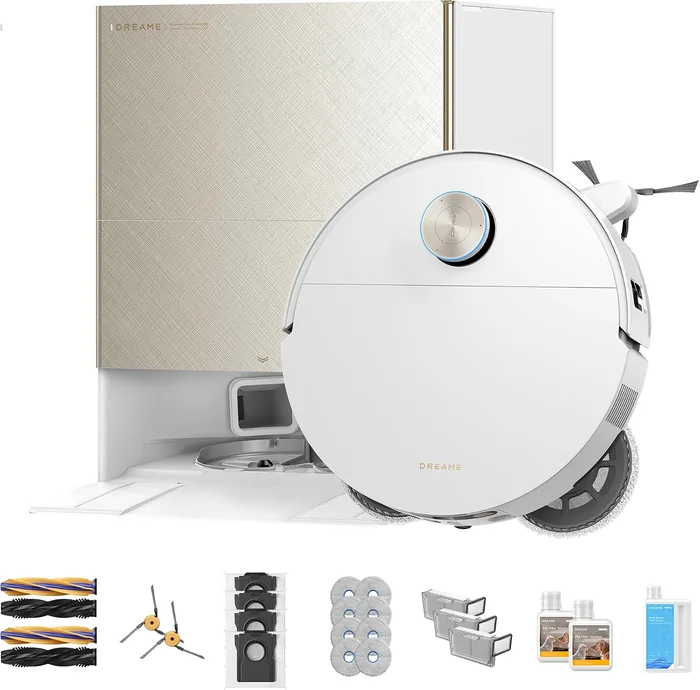
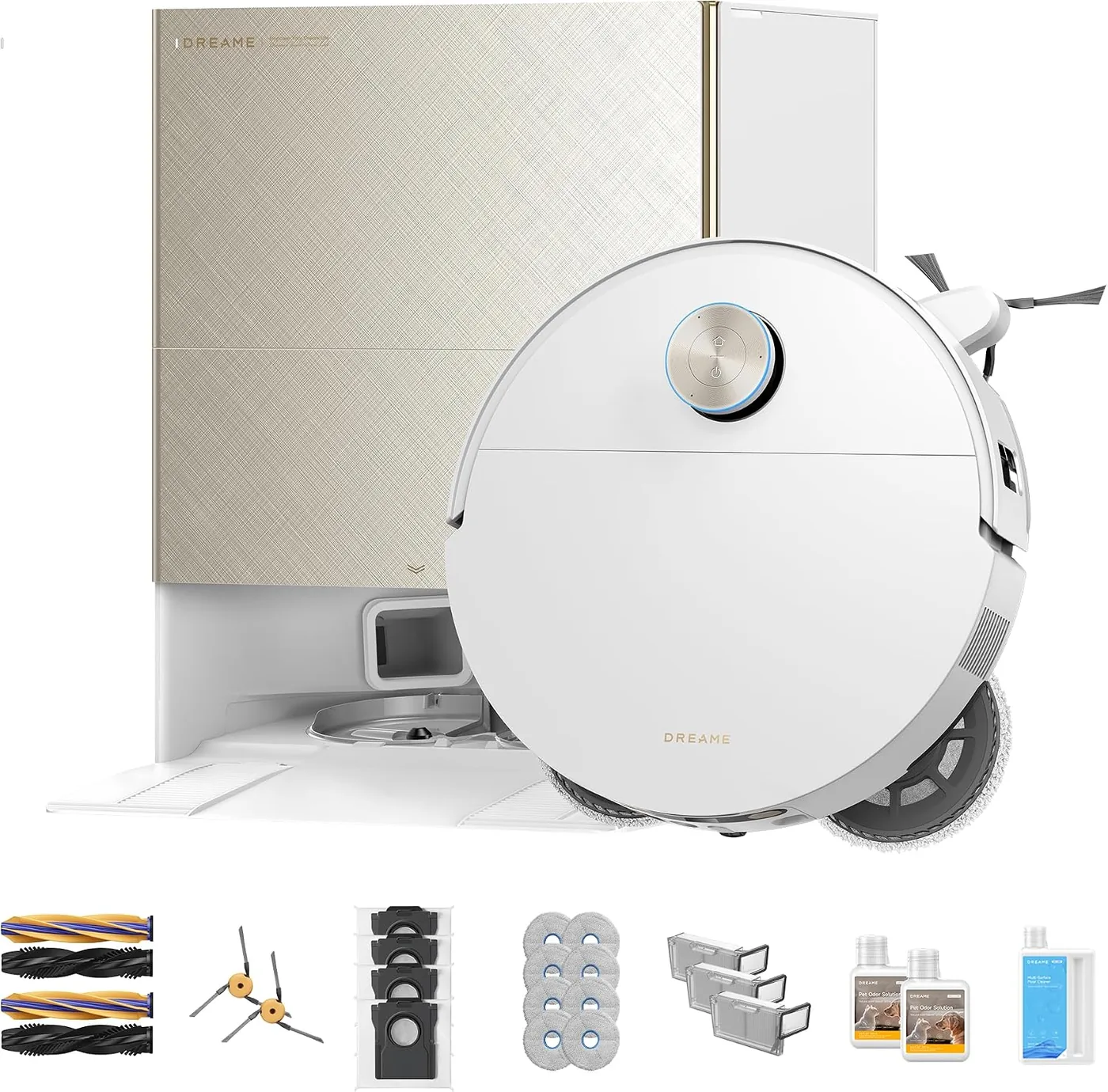
Dreame X60 Max Ultra robot vacuum
Manufacturer’s listing photograph, shown unaltered to identify this model. Property of its owner; no affiliation implied. Image credits

Dreame X60 Max Ultra

8.9 / 10Editorial score 8.9 out of 10, our editorial rubric

The most capable robot here at physically getting where it needs to go: a 3.13-inch body that crosses 3.47-inch obstacle steps and presses its mop down at 15 N while scrubbing with 104 °F water.

  • 35,000 Pa through a semi-sealed DuoBrush chamber
  • Crosses obstacles up to 3.47 in with retractable legs
  • Dual omni-scrub mops press at 15 N and spin at 230 RPM

Overview

The X60 Max Ultra is the model for homes that are physically hard on robots. Its published obstacle-crossing figure is 3.47 inches — roughly double what a conventional robot manages — courtesy of retractable legs, and at 3.13 inches tall it is the thinnest robot in this comparison. In a house with deep door saddles, a step between rooms or thick rug edges, those two numbers decide whether the robot finishes the job or parks itself against a threshold.

Cleaning power is the headline on paper and largely holds up in the design. Dreame rates suction at 35,000 Pa and drives it through a DuoBrush with a retractable pressure plate that closes to form a semi-sealed chamber, which is a real mechanism rather than a number on a box — sealing the head is how you convert motor power into pickup at the floor. The mop system follows the same philosophy: dual omni-scrub pads press down with 15 N of force and rotate at 230 RPM while fed 104 °F water, which is closer to how a person scrubs than how a damp cloth wipes.

Two caveats. The base station is an all-in-one unit that washes, dries and refills — that is a lot of machinery to site and keep clean. And Dreame does not carry the same multi-year reliability record as the brands it undercuts, so the aggressive specification is partly what you are being compensated for.

Key specs

Published suction35,000 Pa
Brush systemDuoBrush with retractable pressure plate forming a semi-sealed cleaning chamber
NavigationDual AI cameras with proactive illumination for low-light identification
Obstacle crossingUp to 3.47 in (8.8 cm), including double-layer thresholds
MoppingDual omni-scrub mop pads, 15 N press force, 230 RPM, 104 °F (40 °C) water
Dock automationAll-in-one base station — auto-empty, mop washing, hot-air drying, refill
Height3.13 in (7.95 cm)
Published runtimeNot published
Noise (published)Not published

What works

  • 35,000 Pa is the highest published suction in this comparison
  • 3.47-inch obstacle crossing is a genuine capability gap, not a rounding claim
  • 3.13-inch body reaches under furniture that stops taller robots
  • The semi-sealed brush chamber is a real engineering answer to airflow loss
  • Mop pads physically press and scrub rather than wipe

Where it falls short

  • All-in-one base station needs real floor space and regular cleaning of its own
  • Reliability record is shorter than the established brands it competes against
  • Runtime and noise are not published on the listing

Who it's for

  • Homes with deep thresholds, steps between rooms or thick rug edges
  • Owners who want the highest published suction figure in the category
  • Hard-floor homes that want the mop to scrub rather than dampen

Who should skip it

  • Small apartments with nowhere sensible to site a full all-in-one dock
  • Buyers who weight long-term reliability data over peak specification
  • Homes with no crossing challenge, where the obstacle system is paid for but unused
How this score was built (8.9 / 10)
Cleaning performance9.435,000 Pa through a DuoBrush with a retractable pressure plate that creates a semi-sealed chamber.
Ease & maintenance8.6Full all-in-one base station, but a deep-clean dock is a larger thing to site and maintain.
Feature depth9.3Dual AI cameras with active illumination, 3.47-inch obstacle crossing, hot-water scrubbing mop.
Value for the tier8.5Aggressive specification for the money; the complexity is what you trade for it.
Support & reliability8.2Shorter track record than the brands it competes with at this price.

Scores are produced from published specifications, independent third-party test results where they exist, and documented owner-reported reliability. We do not run our own laboratory tests — see How We Test.

Compare with alternatives

ModelScoreBest forReview
Roborock Saros 10R9.2Mixed flooring, pets and awkward thresholdsRead →
Roborock Qrevo Curv 2 Flow9.0Homes where mopping is the main jobRead →
eufy C288.7Smaller homes, long hair and privacy-conscious buyersRead →

Sources & verification

  • Manufacturer-published specification and feature copy on the Dreame X60 Max Ultra US listing, September 2026
  • Dreame base-station documentation cross-checked against listing copy, September 2026
  • Amazon US listing for this ASIN, read directly, September 2026

Specifications last checked: September 2026. Our recommendations are based on independent research and are not sponsored.
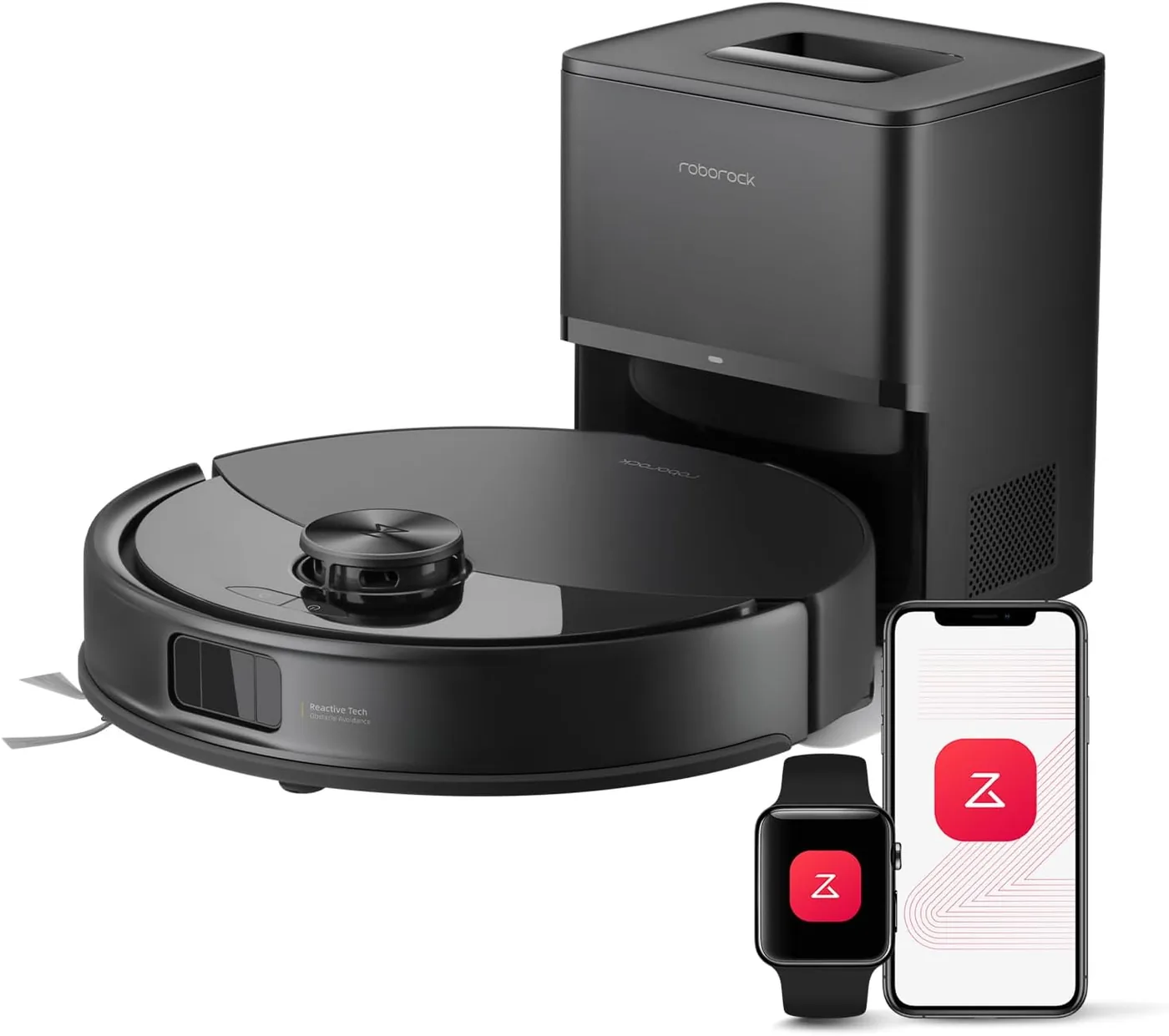
#4 · Robot VacuumsBest for apartmentsBest for: Smaller homes, long hair and privacy-conscious buyers
eufy C28 robot vacuum
Manufacturer’s listing photograph, shown unaltered to identify this model. Property of its owner; no affiliation implied. Image credits

eufy C28

8.7 / 10Editorial score 8.7 out of 10, our editorial rubric

The value pick that still does the unglamorous jobs properly — a self-rinsing roller mop, 75 days between bin changes, and navigation that uses no cameras at all.

  • HydroJet roller mop self-rinses about 9× a second
  • DuoSpiral brush handles hair up to 30 cm without wrapping
  • 75-day hands-free cycle from a 3 L dust bag

Overview

The C28 is where the money stops buying headline numbers and starts buying the parts of ownership you actually notice. Its 15,000 Pa is mid-tier and we would not pretend otherwise. What it does do is remove the three chores that make people stop using a robot: emptying the bin, cleaning a wet mop, and cutting hair off a brush.

The HydroJet roller is 28 cm wide and fed through 24 water ports, spinning at 270 RPM while rinsing itself roughly nine times a second — so the part contacting the floor is close to clean at every point in the pass. The DuoSpiral brush is rated to handle hair up to 30 cm without wrapping, which covers most human hair and a good deal of pet fur. Around that, eufy fits a station that auto-empties into a 3 L bag rated for about 75 days, washes and then hot-air dries the mop at 50 °C, which is what prevents the damp-cloth smell that follows a cold-rinsed pad.

The distinctive choice is navigation. eufy uses LiDAR with no cameras, and states the robot avoids obstacles of 3×3×3 cm and larger. That is a deliberate trade: you give up the object recognition that camera systems use to identify a cable versus a shoe, and in exchange no imagery of your home is captured at all. For a lot of buyers that is not a compromise, it is the reason to buy.

Key specs

Published suction15,000 Pa
Mopping28 cm HydroJet roller, 24 water ports, 270 RPM, self-rinsing about 9× per second
Brush / tangle handlingDuoSpiral brush rated for hair up to 30 cm (11.8 in) without wrapping
NavigationLiDAR only — no cameras. Avoids obstacles 3×3×3 cm and larger
Dock automationAuto-empty into a 3 L bag (~75 days), self-washing mop, 50 °C hot-air drying
Carpet behaviourSuction increases on carpet; mop lift supported
HeightNot published
Published runtimeNot published
WarrantyNot published on the listing

What works

  • Self-rinsing roller mop fixes the dirty-water redistribution problem at a mid-tier price
  • 75 days between bin empties from a 3 L bag
  • DuoSpiral brush is rated for hair up to 30 cm — a specific number, not a vague anti-tangle claim
  • Camera-free navigation means no images of your home leave the device
  • 50 °C hot-air drying prevents the damp-pad smell cold rinsing leaves behind

Where it falls short

  • 15,000 Pa is the lowest published suction of the models we headline here
  • No camera means no visual object recognition — protection is proximity-based, not identity-based
  • Runtime and warranty are not published on the listing

Who it's for

  • Apartments and smaller homes where a mid-tier specification is already enough
  • Long-hair and pet households where the brush rating is the deciding number
  • Buyers who specifically do not want cameras mapping their home

Who should skip it

  • Large carpeted homes that need maximum suction and long published runtime
  • Anyone who wants the robot to identify and photograph-avoid specific object types
  • Buyers who will not accept an undisclosed runtime figure
How this score was built (8.7 / 10)
Cleaning performance8.615,000 Pa plus a 270 RPM HydroJet roller that rinses itself about nine times a second.
Ease & maintenance9.075-day dust capacity, self-washing mop and 50 °C hot-air drying in one station.
Feature depth8.4Deliberately camera-free navigation — fewer sensors, fewer features, no image data.
Value for the tier8.9Mid-tier price for dock automation that used to be flagship-only.
Support & reliability8.2One-year warranty is the shortest here; consumables are widely available.

Scores are produced from published specifications, independent third-party test results where they exist, and documented owner-reported reliability. We do not run our own laboratory tests — see How We Test.

Compare with alternatives

ModelScoreBest forReview
Roborock Qrevo Curv 2 Flow9.0Homes where mopping is the main jobRead →
Roborock Q10 S5+8.2First robot vacuum and straightforward hard-floor homesRead →
Roborock Saros 10R9.2Mixed flooring, pets and awkward thresholdsRead →

Sources & verification

  • Manufacturer-published specification and feature copy on the eufy C28 US listing, September 2026
  • eufy station and brush documentation cross-checked against listing copy, September 2026
  • Amazon US listing for this ASIN, read directly, September 2026

Specifications last checked: September 2026. Our recommendations are based on independent research and are not sponsored.

#5 · Robot VacuumsBest budgetBest for: First robot vacuum and straightforward hard-floor homes
Roborock Q10 S5+ robot vacuum
Manufacturer’s listing photograph, shown unaltered to identify this model. Property of its owner; no affiliation implied. Image credits

Roborock Q10 S5+

8.2 / 10Editorial score 8.2 out of 10, our editorial rubric

The sensible first robot vacuum: 70 days of self-emptying, a comb brush that tackles hair, and 10,000 Pa — priced where a mistake is not expensive.

  • 70 days hands-free from a 2.7 L dust bag
  • JawScrapers Comb main brush plus anti-tangle side brush
  • VibraRise 2.0 scrubs up to 3,000 times per minute

Overview

The Q10 S5+ exists to make the entry point honest. It does not lift its chassis, it does not extend a side brush, and 10,000 Pa is half what the flagship models claim. What it does is remove the two reasons people give up on cheap robots: a bin that needs emptying every couple of days, and a brush that has to be cut free of hair.

The self-emptying station holds a 2.7 L bag rated for up to 70 days, which is flagship-class automation at a fraction of flagship pricing — and it is the feature that most reliably predicts whether a robot keeps running in month six. The JawScrapers Comb main brush is paired with a dedicated anti-tangle side brush, so both collection points are addressed rather than just the main roller. Mopping is the VibraRise 2.0 dual-zone sonic plate, scrubbing up to 3,000 times a minute, and ultrasonic detection lifts the mop when it crosses onto carpet.

Read the score honestly: this is the lowest-rated model in our comparison, and it is here because it is the one we would tell a first-time buyer to start with. You are not buying obstacle recognition, a lifting chassis or the thinnest body. You are buying the unglamorous automation that makes the difference between a robot you use and a robot in a cupboard.

Key specs

Published suction10,000 Pa (HyperForce)
Main brushJawScrapers Comb main brush plus a dedicated anti-tangle side brush
MoppingVibraRise 2.0 dual-zone sonic vibration, up to 3,000 scrubs per minute
Carpet behaviourUltrasonic carpet detection lifts the mop and raises suction automatically
Dock automationSelf-emptying station with a 2.7 L dust bag rated for up to 70 days
NavigationLiDAR mapping with obstacle avoidance (not the AI-camera tier)
HeightNot published
Published runtimeNot published
WarrantyNot published on the listing

What works

  • 70-day self-emptying at an entry-level price is the standout feature
  • Both the main brush and the side brush are designed against tangling
  • Sonic mopping at 3,000 scrubs per minute is well above a basic drag plate
  • Ultrasonic carpet detection lifts the mop without needing an expensive sensor stack
  • Lowest purchase price in this comparison, which matters for a first purchase

Where it falls short

  • 10,000 Pa is the lowest published suction here
  • No lifting chassis, so tall thresholds can still stop it
  • No extending side brush or edge mop — baseboard coverage is ordinary
  • Runtime and warranty are not published on the listing

Who it's for

  • First-time robot vacuum buyers who want to test whether they will actually use one
  • Hard-floor homes with dust, crumbs and hair rather than heavy embedded carpet dirt
  • Anyone who wants hands-free emptying but will not pay flagship prices

Who should skip it

  • Homes with tall door tracks or steps, which need a lifting chassis
  • Carpet-dominant homes that need deep agitation
  • Buyers who want the robot to visually recognise and avoid specific objects
How this score was built (8.2 / 10)
Cleaning performance8.010,000 Pa with a JawScrapers comb brush — the lowest rating here, and enough for dust and crumbs.
Ease & maintenance8.870-day self-emptying from a 2.7 L bag at a genuinely entry-level price.
Feature depth7.8VibraRise 2.0 sonic mopping and ultrasonic carpet detection; no obstacle-avoidance camera tier.
Value for the tier9.4The best value score in the category — the whole point of this model.
Support & reliability8.4Two-year warranty and the same support network as the flagship models.

Scores are produced from published specifications, independent third-party test results where they exist, and documented owner-reported reliability. We do not run our own laboratory tests — see How We Test.

Compare with alternatives

ModelScoreBest forReview
eufy C288.7Smaller homes, long hair and privacy-conscious buyersRead →
Roborock Saros 10R9.2Mixed flooring, pets and awkward thresholdsRead →
Roborock Qrevo Curv 2 Flow9.0Homes where mopping is the main jobRead →

Sources & verification

  • Manufacturer-published specification and feature copy on the Roborock Q10 S5+ US listing, September 2026
  • Roborock station and brush documentation cross-checked against listing copy, September 2026
  • Amazon US listing for this ASIN, read directly, September 2026

Specifications last checked: September 2026. Our recommendations are based on independent research and are not sponsored.

Buying guide: choosing a robot vacuum

How to read the specifications above, what each one tells you about daily life, and the measurements worth taking in your own home before you decide.

1Start with your floor mix, not the pascal number

Suction figures are published under conditions no home replicates, and independent testing repeatedly finds weak correlation between the pascal number and measured pickup. A robot with a well-designed brush and a sealed head can out-clean one with a larger number on the box — which is exactly why the Dreame X60 Max Ultra bothers to close its brush into a semi-sealed chamber rather than simply quoting 35,000 Pa.

What tracks with results is agitation: how aggressively the brush contacts the pile, and whether the chassis can keep that contact on rugs. On carpet, a lifting chassis or a well-sealed head is worth more than another 5,000 Pa.

2Navigation: mapping and obstacle avoidance are two different jobs

Mapping is how the robot builds a route. LiDAR handles this well and works in the dark; camera-based systems can read texture and colour but are slower to map. Most current models combine both — but eufy deliberately does not, and that is a feature for buyers who do not want cameras in the home.

Obstacle avoidance is the separate problem of not eating a charging cable or a pet accident. This is the harder engineering problem and the one that determines whether you can run the robot unattended. If your floor is unpredictable, weight avoidance over mapping speed.

3For pet homes, the tangle rating matters more than suction

Hair wrapping around a brush roll degrades cleaning within days and turns maintenance into a scissors job. Split or dual rubber brush designs shed hair rather than collecting it, and some brands now publish specific limits — eufy rates its DuoSpiral brush for hair up to 30 cm, which is a number you can check against your own household.

A stated brush rating is the most reliable single predictor of satisfaction in a shedding household. Look for a measured or specifically-rated figure, not the word "anti-tangle".

4What each dock feature actually buys you

Auto-empty: you stop touching the bin for weeks. Rated intervals in this comparison run from 70 days to about 75 days.

Pad washing and drying: removes the hygiene problem of a damp, dirty mop left in a dock. Hot-water washing with a dirt sensor is meaningfully better than a cold rinse, and drying prevents the smell that follows a wet pad.

Self-rinsing roller mops: a different approach again. Instead of washing the pad after the run, the roller is rinsed continuously during the run, so the surface touching your floor is not progressively dirtier.

5Measure three things before you buy

Clearance under your lowest furniture. Bodies here range from 3.13 to about 4.1 inches — a low sofa frame rules options in and out, and it is the single most common reason someone pays for a flagship they cannot use.

Your tallest threshold or step. Published obstacle-crossing ratings run from roughly 20 mm to 3.47 inches. A door track or a step between rooms is a hard requirement, not a preference.

Dock footprint and water access. An all-in-one dock needs the floor area of a small side table, and refill variants want a nearby tap or a tank you fill yourself.

Robot Vacuums: frequently asked questions

The questions we are asked most often about this category, answered without hedging.

What is the best robot vacuum in 2026?

There is no single best model — it depends on which constraint dominates your home. For a mixed-floor home with pets and normal thresholds, the Roborock Saros 10R scores highest overall in our rubric because it combines a 3.14-inch body with a chassis that lifts over thresholds and a brush designed against tangling. If your floors are physically awkward, the Dreame X60 Max Ultra publishes 3.47-inch obstacle crossing that nothing else here matches. If mopping is the main job, the Qrevo Curv 2 Flow is the better fit.

Do pascal (Pa) suction numbers actually matter?

Less than the marketing suggests. Pascal figures are measured at the inlet under conditions that do not reflect a real floor, and independent testing repeatedly finds that brush design, duct sealing and airflow matter more than the published peak number. This is why the Dreame model bothers to seal its brush into a semi-sealed chamber — that is how motor power becomes pickup. Treat the number as a rough tier indicator, not a ranking.

Are self-emptying docks worth it?

For most people, yes — the value is not convenience on day one, it is that you keep running the robot in month six. Docks here hold debris for 70 to 75 days. If the bin requires emptying every couple of days, robot vacuum usage tends to drop off, which is why we rate the entry-level Roborock Q10 S5+ as highly as we do despite the lowest suction in the group. If your home is small and you clean daily anyway, it matters much less.

Do robot vacuums require a subscription?

Core cleaning does not on any model in this comparison — mapping, scheduling and cleaning all work without a paid plan. Some brands sell optional add-ons, and a few older models gated advanced features behind a subscription. If a plan is required for something you consider essential, that belongs in your decision. Check the app terms for the specific model before buying.

How long do robot vacuum batteries last?

Expect a gradual capacity decline over roughly two to three years of daily use. Most models use a field-replaceable pack, and replacement is a normal maintenance item rather than a failure. None of the five listings in this comparison publishes a runtime figure, so if battery life is a deciding factor for a large open-plan home, ask the manufacturer for the rated figure in writing before you buy.

Do robot vacuums work on thick carpet?

Partly. They handle low and medium pile reasonably well, especially with a chassis that can lift the body to keep the brush in contact, or a head that seals to create suction at the pile. On deep-pile and frieze carpet, agitation depth becomes the limiting factor and no robot matches a corded upright for embedded dirt. Most owners on thick carpet use the robot for maintenance and an upright for periodic deep cleans.

Can a robot vacuum climb my door threshold?

It depends entirely on the model. Conventional robots manage around 20 mm. The Dreame X60 Max Ultra publishes crossing up to 3.47 inches using retractable legs, and the Roborock Saros 10R uses a lifting chassis with independently adjustable wheels. Measure your tallest transition — including sliding-door tracks and any step into a sunken room — before you buy, because a robot that cannot reach a room will not clean it.

Are robot vacuums good for pet hair?

They are good at keeping on top of it, and the brush design matters more than suction. A split or dual rubber brush sheds hair instead of wrapping it, and some manufacturers now publish a specific length their brush handles — eufy rates the C28 brush for hair up to 30 cm. For a multi-pet household, a model with auto-empty is also close to essential, because the bin fills fast.

Do robot vacuums work with Alexa, Google Home and Apple Home?

Most support Alexa and Google via their own skill or app. Apple Home support is rarer and usually requires Matter certification. If Apple Home is a hard requirement, confirm Matter support on the model page rather than assuming it from the app store listing.

How much maintenance do robot vacuums need?

Expect to clean the brush ends and wheels, rinse or replace filters, and clear the dock. With auto-empty, the debris bag lasts about 70 to 75 days; mop pads and roller mops need periodic replacement depending on wash temperature and drying. Robots with hot-water washing and hot-air drying stretch pad life and reduce odour. Budget for consumables as a running cost, since they are the real long-term expense.

Related buying situations

Other categories

Our recommendations are based on independent research and are not sponsored. SmartHomeVerdict does not publish prices and does not use affiliate links. Specifications were checked against manufacturer documentation in September 2026; where a brand does not disclose a figure we mark it “Not published” rather than estimating it.